 floridafiresafety.org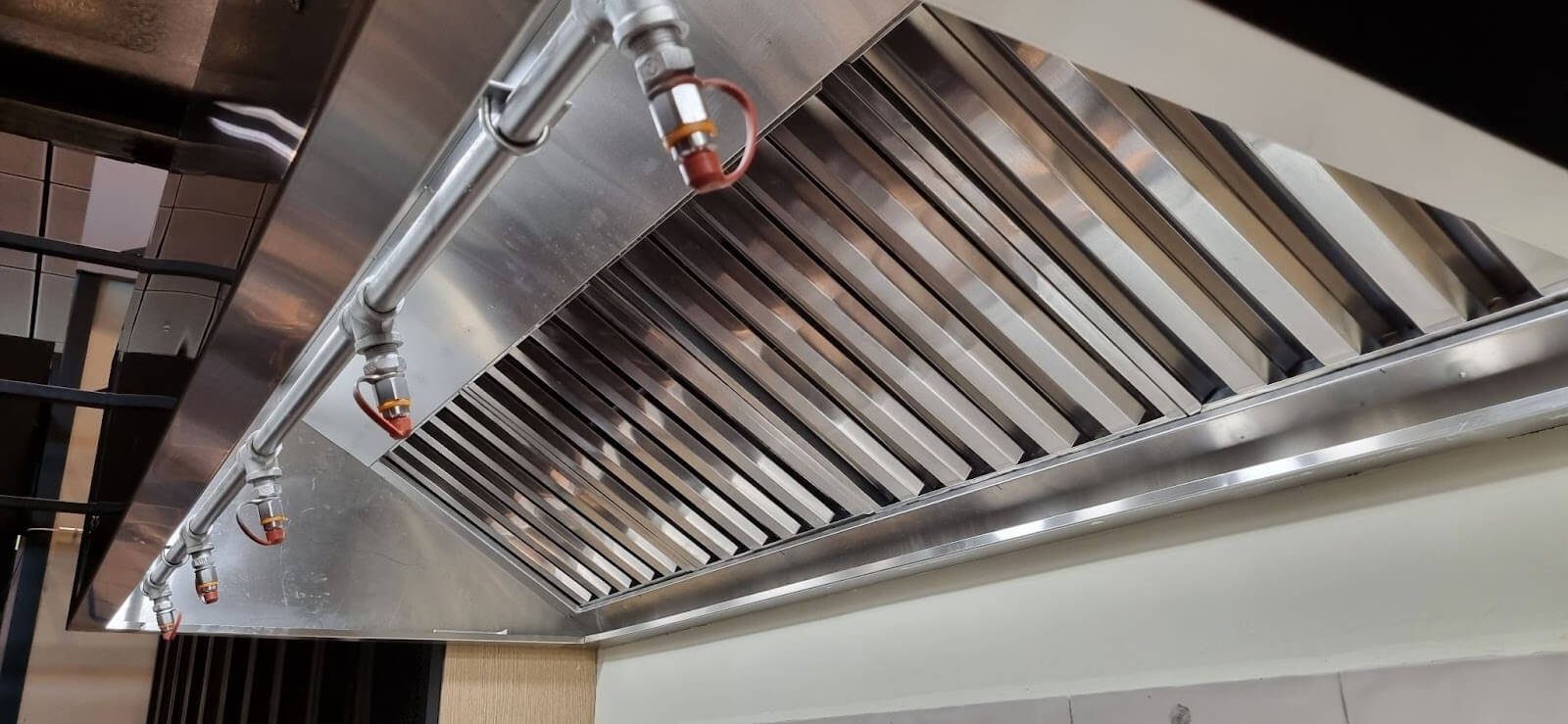
Suppression vs. extinguishers — what's the difference?
Fire extinguishers are portable, manually operated, and sized for small incipient fires. A trained person needs to be present, recognize the fire, retrieve the extinguisher, and discharge it — that chain of events takes time.
Fixed suppression systems are permanently installed and automatic. They detect heat or smoke and discharge an agent directly on the fire — typically within seconds of the triggering threshold. They can operate while a building is empty, while occupants are evacuating, or in areas where manual access is impossible or dangerous.
The main system types
| System Type | Primary Standard | How it works | Best for |
|---|---|---|---|
| Wet Pipe Sprinkler | NFPA 13 / 13R / 13D | Pipes always filled with water; individual sprinkler heads activate when their fusible link or glass bulb reaches the heat threshold. | Offices, retail, hotels, most commercial spaces above freezing |
| Dry Pipe Sprinkler | NFPA 13 | Pipes pressurized with air; water enters only after a head activates and air pressure drops. Slower to discharge. | Unheated warehouses, parking garages, loading docks, walk-in freezers |
| Pre-Action Sprinkler | NFPA 13 | Dry system that requires two triggers — a smoke/heat detector AND a sprinkler head opening — before water flows. Reduces accidental discharge. | Data centers, server rooms, museums, archives, libraries |
| Deluge System | NFPA 13 / NFPA 15 | All heads open simultaneously when a detector triggers — floods the entire protected area at once. | Aircraft hangars, power transformers, flammable liquid processing, paint booths |
| Kitchen Hood Suppression | NFPA 96 / NFPA 17A | Wet chemical (typically potassium carbonate or acetate) automatically discharges into the cooking hood and onto appliances; shuts off fuel/gas simultaneously. | Any commercial cooking operation with grease-producing equipment |
| Clean Agent System | NFPA 2001 | Gaseous agent (FM-200, Inergen, Novec 1230) floods an enclosed space to interrupt combustion — leaves zero residue, safe for electronics. | Data centers, telecommunications rooms, control rooms, server vaults |
| CO₂ Total Flooding | NFPA 12 | High-concentration CO₂ floods the space to displace oxygen. Extremely effective but lethal if people are present. | Industrial machinery rooms, printing presses, unoccupied vaults — not permitted in normally occupied spaces |
| Foam System | NFPA 11 | Water/foam concentrate mix creates a blanket over flammable liquid surfaces, cutting off oxygen and cooling the fuel. | Aircraft hangars, flammable-liquid storage, fuel loading areas, marine facilities |
Browse by topic
System Types by Industry
Which suppression system is right for a restaurant vs. a data center vs. a warehouse? What each industry is actually required to install, and the real-world options at each price point.
Open →Compliance & NFPA Standards
NFPA 13 vs. 13R vs. 13D — what's the difference? When does NFPA 96 kick in? What does NFPA 25 require for ongoing maintenance? The regulatory map for suppression systems, in plain language.
Open →Cost & ROI
What does a sprinkler system actually cost to install, inspect, and maintain? What does a kitchen suppression recharge run? How much does a suppression system reduce your insurance premium?
Open →Self-Audit Checklist
Walk your systems before the inspector does. Items drawn from NFPA 25 and NFPA 96 — the standards your inspector is actually using when they flag deficiencies.
Open →The 5 questions we hear most about suppression
1. Is my small business required to have a sprinkler system?
2. If I have a sprinkler system, do I still need extinguishers?
3. Does a kitchen suppression system replace my Class K extinguisher?
4. How often does a suppression system need to be inspected?
5. What happens when a sprinkler head accidentally goes off?
Authoritative sources
When there is any doubt, rely on these rather than a blog post:
- NFPA 13 — Standard for the Installation of Sprinkler Systems. nfpa.org
- NFPA 25 — Standard for the Inspection, Testing, and Maintenance of Water-Based Fire Protection Systems. nfpa.org
- NFPA 96 — Standard for Ventilation Control and Fire Protection of Commercial Cooking Operations. nfpa.org
- NFPA 2001 — Standard on Clean Agent Fire Extinguishing Systems. nfpa.org
- Your State Fire Marshal — the Authority Having Ju